What is the best way to choose a functional trainer for a high-end home gym?
A dual-pulley cable station is the most versatile piece a home gym can hold. Here is how to judge one before it takes up seven feet of your best wall.
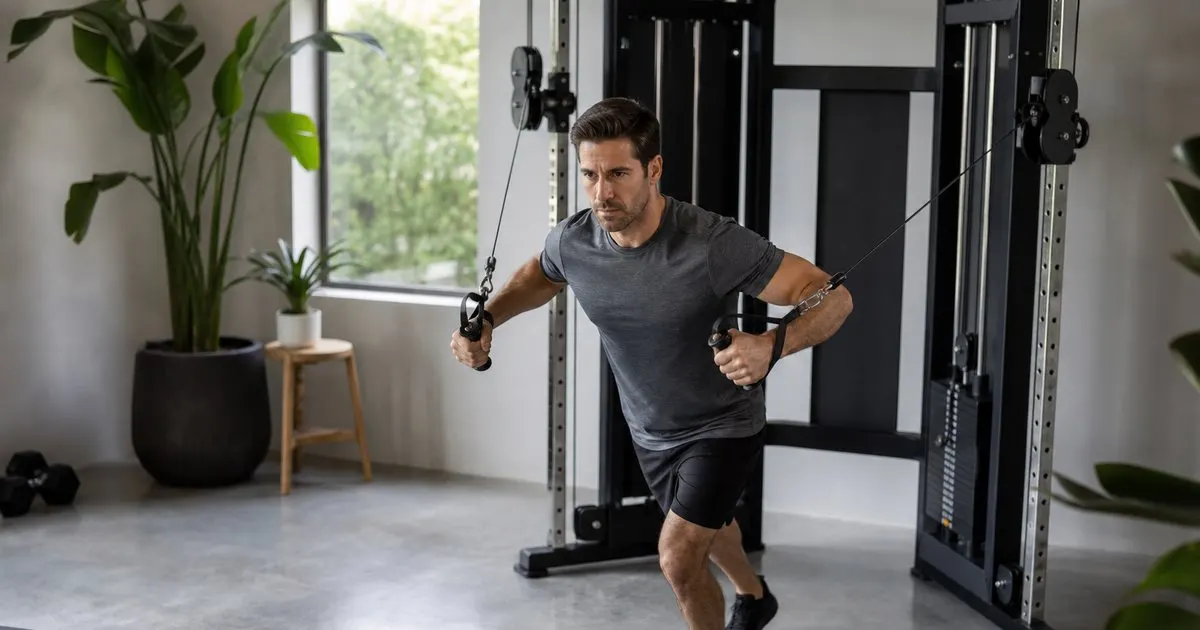
What a functional trainer does that nothing else can
A functional trainer is two independently adjustable pulley columns joined by a frame, with a weight stack behind each column. Because the pulleys slide to any height and the cables can be pulled from any angle, it replaces a long list of single-purpose machines: chest press, row, lat pulldown, fly, triceps pushdown, cable curl, woodchop, and most of the rehab and mobility work a physical therapist might prescribe. For a household with more than one user, or one user with a wide range of goals, it is often the piece that earns the most minutes per week. Related: How important is ceiling height when planning a home gym?
It is also the machine that most changes a room. Roughly seven feet tall and wide enough to stand between the columns, it becomes a focal point whether you like it or not. That is a design opportunity as much as a constraint, and the better manufacturers know it: matte finishes, shrouded stacks, and clean lines are now available at the premium tier, which matters when the machine sits in view of the rest of the house. Related: How do you light a luxury home gym so it feels like a private studio?
Keep reading: How much floor space does a complete luxury home gym require?, Which flooring protects both your equipment and your foundation best?, What equipment forms the foundation of a serious home gym?. See how Gymholm helps you the expert guide to designing a premium home gym.
Footprint, ceiling, and the wall-mount question
Measure three things before you fall in love with a model. Height, including the top pulley and any pull-up bar, against your lowest ceiling obstruction. Width, since a wide frame gives a more natural arc for chest and fly movements while a narrow one saves space. Depth, remembering that you need room to step back and extend the cable for rows and presses, which typically adds several feet of usable floor in front of the machine. Related: How much floor space does a complete luxury home gym require?
Wall-mounted trainers save depth and feel built-in, but they need solid framing behind the drywall and a wall you are willing to commit to; moving one later is a project. Freestanding units can be repositioned but often need bolting to the floor for stability at heavier loads. Corner units tuck into otherwise dead space and suit rooms where the rack already dominates the main wall. If your room has a single long wall, a rack with an integrated cable system can consolidate two footprints into one, at the cost of some flexibility. Related: Which mirror placement makes a home gym feel larger without becoming a distraction?
The build details that separate premium from merely expensive
Start with the stacks. A heavier stack per side allows meaningful rows and presses for stronger users; a lighter stack suits mobility and accessory work and keeps the machine smaller. Look at the cable ratio next. A two-to-one ratio halves the felt resistance but doubles the cable travel, which is what you want for long, sweeping movements; a one-to-one ratio delivers the stack's full weight with less travel. Some machines let you switch between the two, which is genuinely useful in a shared household.
Then feel the motion. Sealed bearing pulleys, aircraft-grade cables, and a stack that glides without a rattle tell you more than a spec sheet. Check the pulley adjustment: a quick pull-pin with clearly numbered positions beats a knob that needs two hands. Count the included attachments, since a good handle set, a rope, and a straight bar are often extra. Finally, read the warranty on the frame, the cables, and the upholstery separately; a lifetime frame warranty means little if the cables are covered for a year.
Motorized resistance, integration, and an honest word on links
A newer category replaces the weight stack with a motor and a controller, delivering resistance electronically and adjusting it mid-rep. These units are compact, quiet, and often wall-mounted, and they can add eccentric overload or resistance curves that mimic chains and bands, which a stack cannot. The trade-offs are software dependence, subscription features in some cases, and a different feel that some lifters never warm to. Try one under a real load before deciding it replaces a stack.
Whichever you choose, place it where the cable arc has room, where a floor outlet or a nearby receptacle can serve a motorized unit, and where the mirror wall gives feedback on your pressing line. This site may earn a commission when you buy through certain links; that does not change which trainers we think are worth the wall space, and we say so plainly whenever a piece we like has a flaw.
- A functional trainer replaces most single-purpose machines and often earns the most minutes per week.
- Measure height, width, and the depth needed to extend the cable before choosing a frame.
- Judge stacks, cable ratio, pulley feel, attachments, and the separate warranty terms.
- Motorized units are compact and clever but should be tried under load before they replace a stack.

Julien Jimenez
Julien Jimenez is an independent software builder based in Paris. He designs, ships, and operates focused SaaS products for small businesses and independent professionals. Read the full author page.
Your Training, Steps From the Bedroom
The expert guide to designing a premium home gym. Gymholm is built to help you put this into practice.
Plan your gymMore from the Gymholm blog
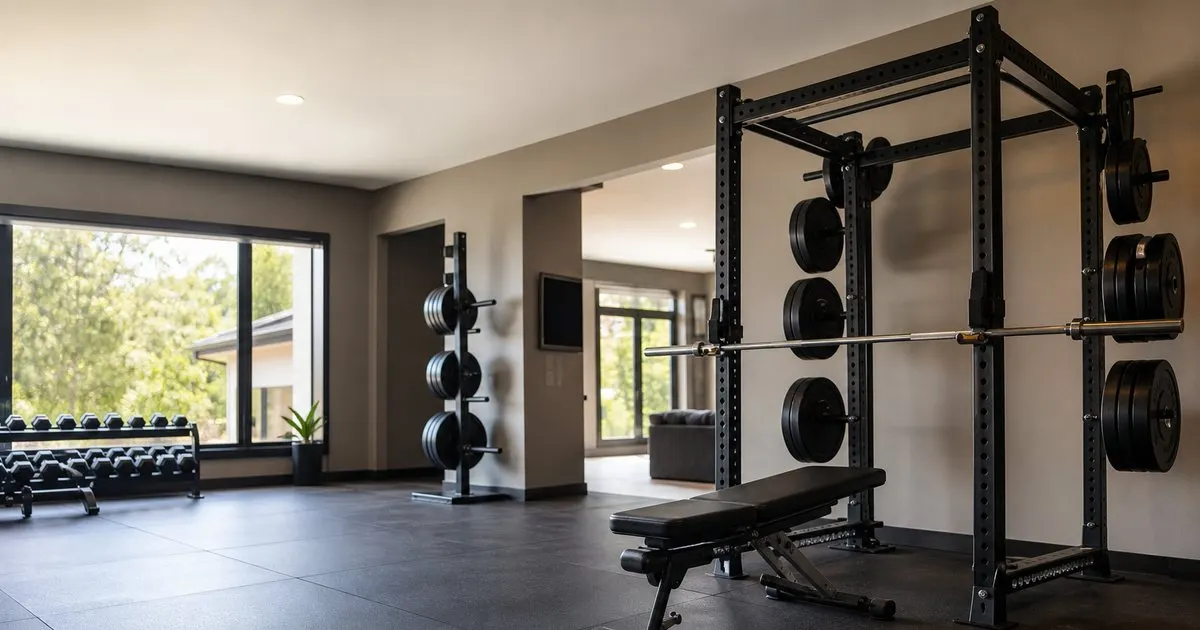
How much floor space does a complete luxury home gym require?
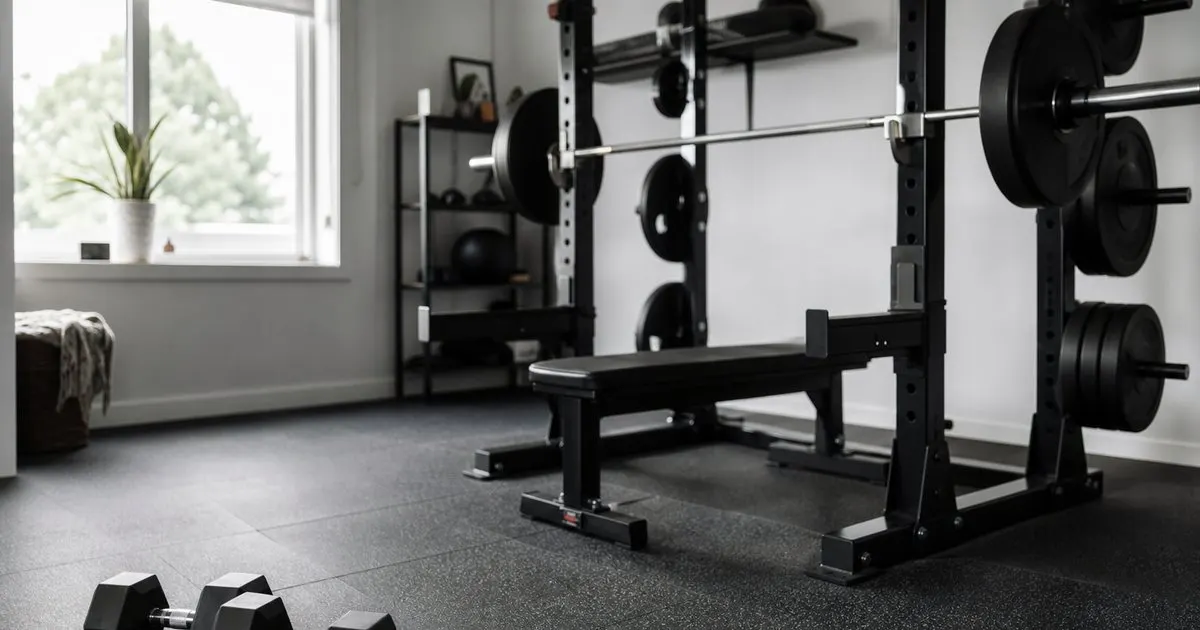
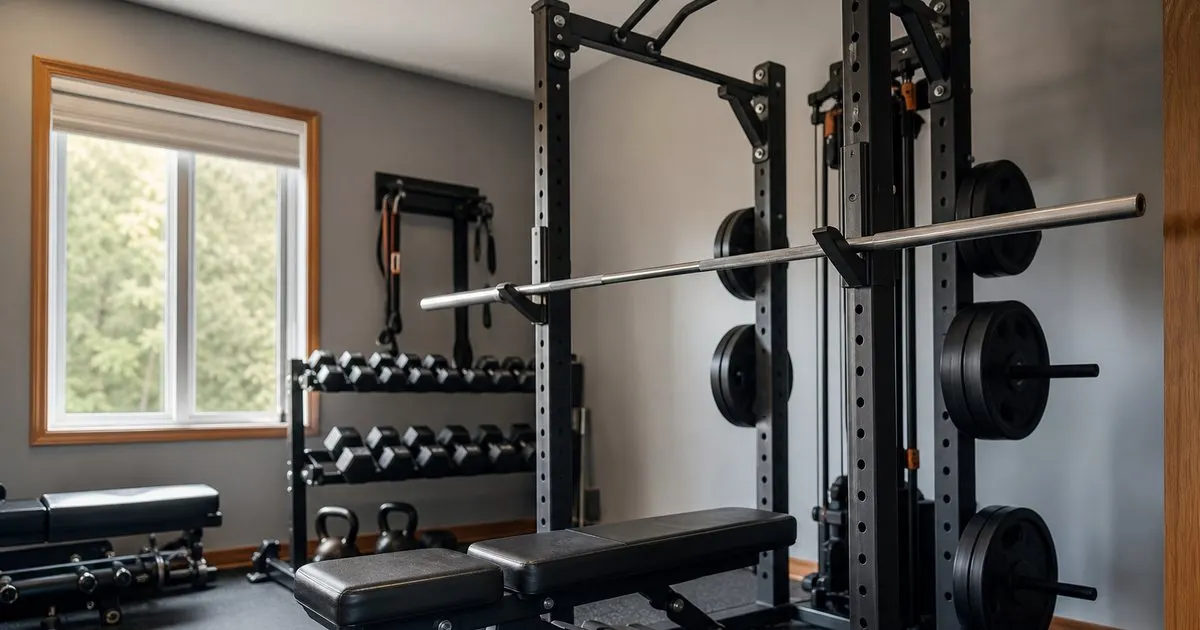
What equipment forms the foundation of a serious home gym?
Get the complete luxury home gyms guide
Our full buying guide, the price guide, and new research as we publish it. One email, no spam, unsubscribe any time.