Why does a recovery zone with sauna and cold plunge belong in a luxury home gym?
Heat and cold are the two additions that turn a training room into something closer to a private spa. Here is what each demands of the space, the budget, and the plumbing.
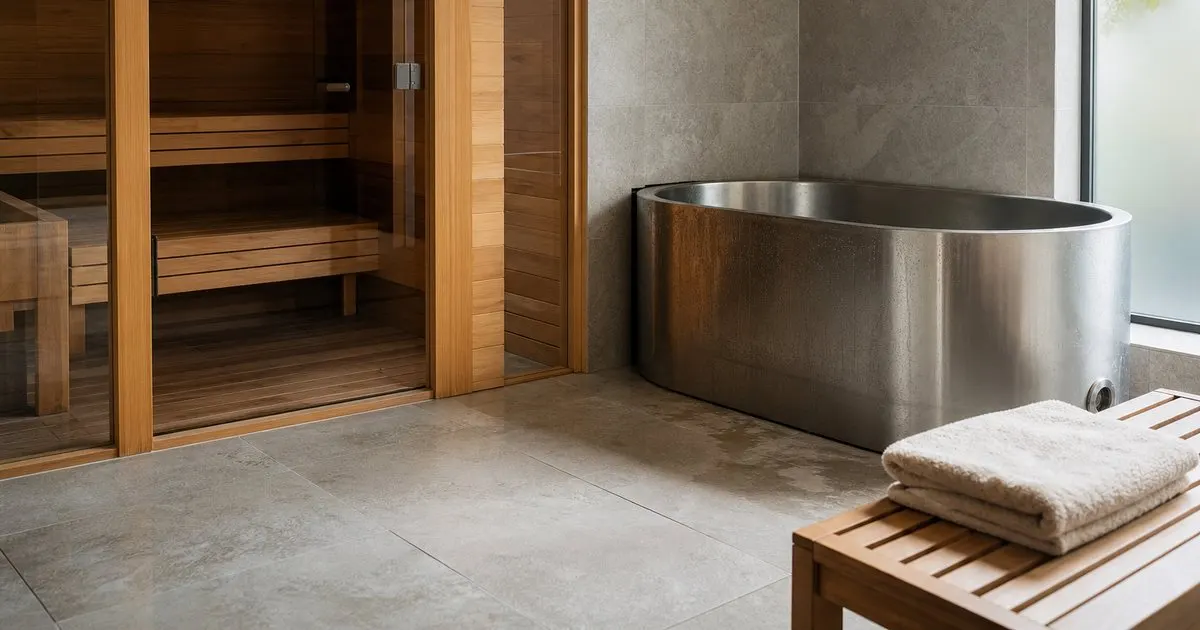
Recovery is the half of training most home gyms ignore
A serious training program is hard sessions separated by adequate recovery, and the second half is where most home setups stop short. A sauna and a cold plunge give the room a purpose on the days you are not lifting, which is exactly what keeps a gym from becoming a storage area by the second winter. Athletes and coaches have used heat and cold as part of a recovery routine for decades, and many people simply report that they sleep better and feel less stiff when the ritual is part of the week. Specific health claims vary by study and by person, so treat the zone as a quality-of-life investment and talk to a physician first if you have cardiovascular concerns. Related: How much floor space does a complete luxury home gym require?
There is also a design logic to it. A gym is a room of hard surfaces and effort; a recovery zone introduces warmth, water, and stillness. The contrast is what makes the whole space feel like a private club rather than a converted bedroom, and it changes how often the room is used, which is the real measure of whether a five-figure gym was worth building.
Keep reading: How much floor space does a complete luxury home gym require?, Which flooring protects both your equipment and your foundation best?, What equipment forms the foundation of a serious home gym?. See how Gymholm helps you the expert guide to designing a premium home gym.
Choosing a sauna: traditional, infrared, and the cabin itself
A traditional electric sauna heats a rock-filled stove and the air around it, running hot, commonly somewhere between 150 and 195 degrees Fahrenheit, with the option of pouring water over the rocks for steam. It needs a dedicated 240-volt circuit sized to the heater, a properly vented cabin, and heat-tolerant materials around it. An infrared cabin heats the body directly at lower air temperatures, often plugs into a standard circuit at the smaller sizes, and is easier to fit into a room that was never designed for it. The experience is different enough that it is worth sitting in both before deciding.
The cabin is where the money and the beauty live. Kiln-dried cedar, hemlock, or thermally modified wood in a prefabricated kit can be assembled in a day; a custom-built room with a glass front, integrated benches, and a concealed heater reads as architecture. Either way, plan for a floor drain or a waterproof pan under a traditional sauna, a heat-tolerant lighting fixture, and enough clearance around the heater for service. A two-person cabin is the honest size for most households; a four-person cabin is a commitment to entertaining. Related: How important is ceiling height when planning a home gym?
The cold plunge: water, weight, and the chiller
A modern plunge is a tub, a chiller that holds the water at a set temperature, and a filtration loop that keeps it clean. The tub can be an insulated composite shell, a stainless steel vessel, or a tiled in-ground basin, and the weight of the water is the first thing a structural conversation should address, since even a compact tub holds several hundred pounds of water before anyone climbs in. On a slab it is a non-issue; on a framed floor, ask an engineer.
The chiller wants its own outlet, some ventilation for the heat it rejects, and a place to sit where its hum will not intrude, ideally in a closet or on the far side of a wall. A floor drain nearby makes water changes painless, and a hand-held shower or a hose bib is worth adding for rinsing. Plan the flooring around the plunge for wet feet: a textured tile, a slip-resistant rubber, or a teak mat on a drained surface, never smooth polished stone. Related: Which flooring protects both your equipment and your foundation best?
Layout, humidity, and where the budget actually goes
Group the wet elements together, away from the steel and the electronics. The classic sequence is sauna, plunge, and a bench or lounger in between, with a towel warmer and a hook wall within reach. Keep the recovery zone on a slightly different lighting scene, warmer and lower, and consider a partial wall or a change in flooring to mark the transition from training to recovery.
Humidity is the quiet cost. A traditional sauna and an open plunge both push moisture into the room, and moisture is what corrodes cables, fogs mirrors, and swells wood. An exhaust fan on a humidity sensor, a dehumidifier sized for the room, and a moisture-tolerant finish on the nearby walls handle it. On the budget side, a sauna and a plunge can together claim a substantial share of a luxury gym, sometimes rivaling the strength equipment, so decide early whether recovery or lifting is the room's first purpose. Some links on this site may earn a commission, which never influences whether we think a plunge belongs in your plan. Related: What equipment forms the foundation of a serious home gym?
- A recovery zone gives the gym a purpose on rest days and keeps it in daily use.
- Traditional saunas need a dedicated 240-volt circuit and venting; infrared cabins are easier to retrofit.
- Confirm floor structure, drainage, and a quiet home for the chiller before ordering a plunge.
- Group wet elements together and manage humidity so it never reaches the steel.

Julien Jimenez
Julien Jimenez is an independent software builder based in Paris. He designs, ships, and operates focused SaaS products for small businesses and independent professionals. Read the full author page.
Your Training, Steps From the Bedroom
The expert guide to designing a premium home gym. Gymholm is built to help you put this into practice.
Plan your gymMore from the Gymholm blog
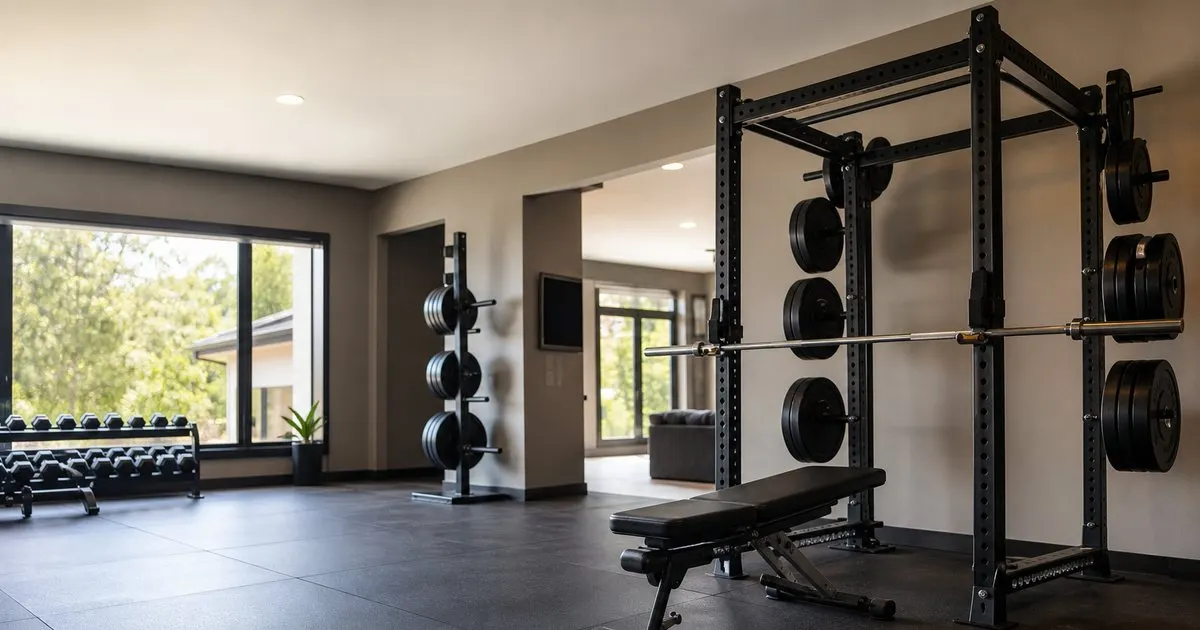
How much floor space does a complete luxury home gym require?

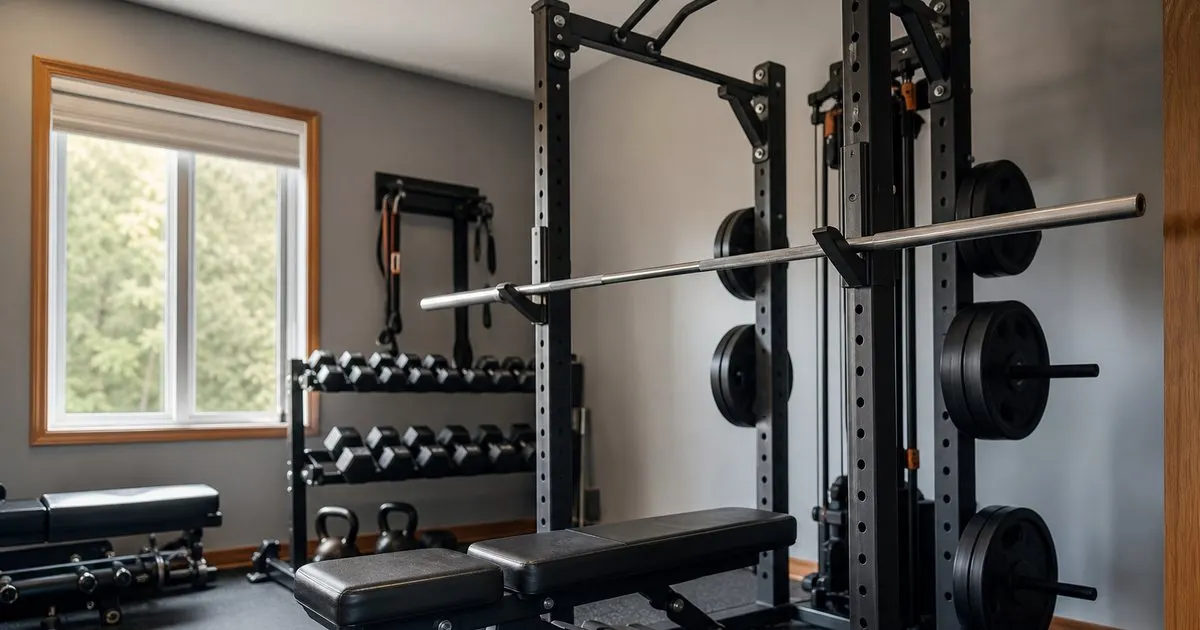
What equipment forms the foundation of a serious home gym?
Get the complete luxury home gyms guide
Our full buying guide, the price guide, and new research as we publish it. One email, no spam, unsubscribe any time.